 Memorizing Quran

Memorizing the holy Quran by Skype has become one of the most effective and accessible paths for non-Arabic speaking Muslims worldwide. The barrier was never geography — it was access to a certified Hafiz who understands how to teach Hifz systematically to students who did not grow up with Arabic as their native language.
When structured correctly, Skype-based Quran memorization preserves everything that makes traditional Hifz effective: direct oral transmission, real-time Tajweed correction, personalized pacing, and consistent accountability. The platform changes; the methodology does not.
How Does Memorizing the Holy Quran by Skype Actually Work?
To memorize the holy Quran by Skype, a student connects live with a certified Hafiz instructor for scheduled one-on-one sessions.
The teacher listens to the student’s recitation, corrects Makhraj and Tajweed in real time, assigns the next memorization portion, and tracks the revision cycle — exactly as traditional Hifz instruction functions, delivered through a screen.
Book a FREE session with one of our Ijazah-certified teachers
The live audio-video connection is what makes Skype specifically effective for Hifz. Unlike pre-recorded lessons or text-based learning, Skype allows the teacher to hear every letter as it is pronounced. Makhraj — the precise articulation point of each Arabic letter — cannot be assessed from a written assignment or a video recording.
It requires a trained ear listening in real time. This is the irreplaceable element that separates genuine Hifz instruction from self-study resources.
At Hifz Quran Online Academy, our Quran Memorization Course is built around this live interaction model. Each student is paired with a certified Hafiz instructor whose methodology is designed specifically for non-Arabic speakers — addressing the pronunciation challenges, memorization pace, and retention patterns unique to students learning Quranic Arabic as a second language.
Book a free trial to start your Hifz path today

What Equipment and Setup Do You Need to Memorize Quran by Skype?
To memorize the holy Quran by Skype, you need a stable internet connection, a device with a working microphone and camera, and a physical Mushaf or a verified digital Quran app. No specialized equipment is required beyond what most households already own.
The most critical technical factor is audio clarity. The teacher must hear your recitation without distortion or lag.
A wired internet connection or strong Wi-Fi is strongly preferable over mobile data.
A basic headset with a microphone — even an inexpensive one — dramatically improves session quality compared to built-in laptop speakers.
What Mushaf Should You Use During Skype Hifz Sessions?
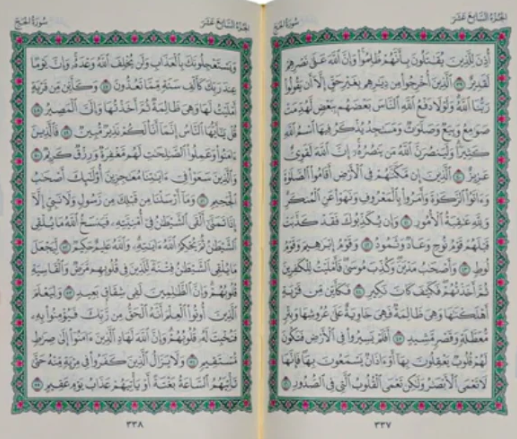
Use a standardized 15-line Mushaf — the most widely used format in Hifz education globally. This allows your teacher to reference the exact line and position of your memorization without confusion across different print editions.
Most certified Huffaz instructors will specify their preferred Mushaf format during the first session.
Can Non-Arabic Speakers Truly Memorize the Quran Without Understanding Arabic?
Non-Arabic speakers can absolutely memorize the holy Quran without prior Arabic language knowledge. Hifz is the memorization of Quranic recitation — a distinct skill from Arabic language comprehension — and millions of Huffaz worldwide are non-native Arabic speakers who memorized through structured phonetic repetition under qualified instruction.
The distinction matters practically. A student from the UK, Canada, or Indonesia is not learning to speak Arabic — they are learning to reproduce the precise sounds of Quranic recitation with correct Tajweed. This is entirely achievable with the right teacher and methodology.
What makes it harder without Arabic background is Makhraj accuracy — producing sounds that do not exist in English or other Western languages — which is precisely why live Skype instruction from a certified Hafiz is essential rather than optional.
Students who have gone through Hifz Quran Online Academy’s Online Quran Memorization Courses for Adults consistently report that the first Juz takes the longest — not because the material is the most difficult, but because the foundational Tajweed habits are being built. Once those habits are established under a qualified teacher, subsequent Juz progress accelerates meaningfully.
Enroll in our Quran Memorization Course for Adults with a free trial

What Is the Best Daily Memorization Schedule for Skype Hifz Students?
The optimal daily schedule for memorizing the holy Quran by Skype assigns new memorization after Fajr, when short-term memory consolidation is strongest, and Muraja’ah revision in the evening — ideally after Asr or Maghrib. New memorization and revision should never occupy the same mental window.
The ratio that governs sustainable Hifz progress is one new page for every five pages of revision. This is not an arbitrary number — it reflects the forgetting curve pattern observed consistently in adult non-Arabic learners.
Advancing new memorization without maintaining the revision cycle produces students who can recite their most recent pages but cannot retrieve earlier portions under pressure.
| Session Type | Recommended Time | Duration | Pages |
| New Memorization | Post-Fajr | 20–30 min | 3–5 lines |
| Muraja’ah (Recent) | Post-Asr | 15–20 min | 1–2 pages |
| Muraja’ah (Old) | Post-Maghrib | 15–20 min | 2–3 pages |
| Skype Session | Flexible | 30–45 min | Review + new assignment |
Your certified Hafiz instructor over Skype will calibrate this schedule to your individual retention pace.
Some students can sustain half a page of new memorization daily; others do better with five lines. Learning how to memorize the Quran correctly from the beginning — with the right ratio and timing — determines whether your Hifz remains stable for life or deteriorates within months.
How Does Tajweed Correction Work During Skype Memorization Sessions?
Tajweed correction over Skype functions through real-time recitation and immediate teacher feedback. The student recites the assigned portion; the instructor identifies any Makhraj, Sifat al-Huruf, Ghunnah, or Waqf errors and demonstrates the correct pronunciation audibly — the student repeats until the correction is internalized.
This mirrors traditional face-to-face instruction more closely than any other remote format. The live audio allows the teacher to detect the specific point of articulation errors that written feedback cannot communicate.
A student mispronouncing the Dhad or collapsing the distinction between Ta and Tta will be corrected immediately — before that error becomes a memorized habit.
What Happens When Tajweed Errors Are Not Corrected Early?
Uncorrected Tajweed errors become embedded in memorization. When a student repeats a mispronounced verse hundreds of times, the wrong version is what consolidates in long-term memory.
Removing that error later requires not just relearning the pronunciation — it requires overwriting an already-memorized pattern, which is significantly harder than learning correctly from the start.
This is among the most important reasons to begin Skype Hifz with a certified Hafiz rather than self-study apps or unverified online tutors. The Quran was revealed with specific recitation rules, as Allah ﷻ commands:
وَرَتِّلِ الْقُرْآنَ تَرْتِيلًا
Wa rattil il-Qur’āna tartīlā
“And recite the Quran with measured recitation.” (Al-Muzzammil 73:4)Memorize the Quran at Your Own Pace
Join our expert tutors and begin your Hifz journey with a personalized plan.
Start Your Free Trial
How Do You Maintain Muraja’ah Revision Between Skype Sessions?
Muraja’ah between Skype sessions should follow a structured daily review of previously memorized portions, with the student tracking which pages were reviewed and flagging any verses where sequence confusion or pronunciation uncertainty occurred.
The Skype teacher reviews these flagged portions at the start of each session before assigning new memorization.
Without structured Muraja’ah, even strong memorization deteriorates rapidly. The forgetting curve is not a theory — it is the most consistent pattern observed in Hifz students at every level.
A student who memorizes one page today without reviewing it for five days will typically retain only fragments. Reviewing it within 24 hours, then again at 72 hours, then weekly, is what converts short-term recitation into long-term retention.
Understanding how to revise memorized Quran with a structured cycle is the skill that separates students who complete their Hifz from those who stall at the same Juz for years. Your Skype instructor carries the accountability function that makes this revision cycle consistent rather than aspirational.
Is Memorizing the Quran by Skype Suitable for Children?
Skype-based Quran memorization is highly suitable for children, provided the sessions are shorter — typically 20–30 minutes — and the instructor is experienced in child-specific memorization pedagogy.
Children’s retention patterns, attention spans, and motivation needs differ substantially from adult learners and require a different instructional approach.
At Hifz Quran Online Academy, the Quran Memorization and Hifz for Kids program is designed specifically for younger students, with certified Huffaz instructors trained to manage the pace, engagement, and encouragement methods that keep children progressing consistently.
Start your child’s Hifz today with a free lesson

The live Skype format is particularly effective for children because the accountability of a teacher watching and listening prevents the disengagement that self-study resources cannot overcome.
Research in memorization science consistently shows that children who begin structured Hifz before age 12 achieve faster consolidation and stronger long-term retention. The best age to memorize the Quran carries nuance — but early structured instruction under a qualified teacher is the clearest advantage a parent can give their child.
What Makes Skype Hifz Different from Pre-Recorded Online Quran Courses?
Skype Hifz differs from pre-recorded courses in one decisive way: live oral transmission with real-time correction. Pre-recorded video lessons deliver information; they cannot hear your recitation, identify your specific Makhraj errors, or hold you accountable to yesterday’s Muraja’ah. Hifz requires all three.
The Islamic tradition of oral transmission — the ijazah chain through which Quran recitation has been passed from teacher to student since the time of the Prophet ﷺ — is not a formality.
It exists because Quranic recitation cannot be accurately transferred through text or recordings alone. Skype preserves this transmission model across geographical distance in a way no asynchronous format can replicate.
| Feature | Skype 1-on-1 Hifz | Pre-Recorded Course |
| Real-time Tajweed correction | ✅ Yes | ❌ No |
| Personalized memorization pace | ✅ Yes | ❌ No |
| Muraja’ah accountability | ✅ Yes | ❌ No |
| Makhraj error detection | ✅ Yes | ❌ No |
| Flexible scheduling | ✅ Yes | ✅ Yes |
| Cost | Higher | Lower |
Start Your Hifz at Hifz Quran Online Academy with a Free Trial Lesson
The methodology exists. The structure exists. What you need now is the right teacher. Hifz Quran Online Academy connects you with certified Huffaz instructors who specialize in guiding non-Arabic speakers through complete Quran memorization — one structured session at a time.
- Certified Huffaz with verified credentials and teaching experience
- Personalized 1-on-1 Skype instruction tailored to your pace and level
- Flexible scheduling across all global time zones
- Structured Hifz methodology designed for non-Arabic speakers
- Dedicated programs: Online Quran Memorization Courses for Adults, Quran Memorization and Hifz for Kids, Quran Hifz for Ladies
- Al-Menhaj Book available for students who need to build foundational Quran reading before beginning Hifz
- Free trial lesson — experience the methodology before committing
Book your free trial today and begin your Hifz with the guidance it deserves.
Choose the program that fits your needs:
- Quran Memorization Course
- Quran Memorization and Hifz for Kids
- Online Quran Memorization Courses for Adults
- Quran Hifz for Ladies.
Book your free trial lesson today and begin your journey to Hifz with expert guidance every step of the way.
Memorize the Quran at Your Own Pace
Join our expert tutors and begin your Hifz journey with a personalized plan.
Start Your Free TrialFrequently Asked Questions About Memorizing the Holy Quran by Skype
Can I memorize the Quran by Skype if I have never studied Arabic?
Yes. Skype Hifz with a certified instructor is specifically designed for non-Arabic speakers. The instructor builds your Tajweed and Makhraj from the foundational level, teaching correct recitation through live repetition and correction. Arabic language knowledge is not a prerequisite for Quran memorization.
How many Skype sessions per week are needed to make consistent Hifz progress?
Most students progress consistently with three to five sessions per week, supplemented by daily independent Muraja’ah. Fewer than three sessions per week makes it difficult to maintain memorization momentum and revision accountability. Daily sessions produce the fastest and most stable long-term retention.
Is Skype secure enough for private Quran memorization lessons?
Skype provides end-to-end encrypted calls, making it appropriate for private one-on-one instruction. Many academies also offer sessions through Zoom or Google Meet as alternatives. The platform matters less than the qualifications of the instructor and the structure of the curriculum.
How long does it take to memorize the full Quran by Skype?
For adult non-Arabic speakers with three to five sessions per week and daily Muraja’ah, completing the full Quran typically takes three to five years. Students who maintain a consistent revision ratio and daily practice can complete Juz Amma within three to four months, building a strong foundation for the remaining Juz.
What should I look for in a certified Hafiz instructor for Skype lessons?
Look for a teacher with a verified Hifz certification, a recognized Tajweed qualification, and demonstrated experience teaching non-Arabic speakers specifically. An instructor who has completed their own Hifz under a chain of qualified teachers — and can communicate that methodology clearly — is the standard to seek.
Conclusion
The ability to memorize the holy Quran by Skype removes the final practical barrier for Muslims worldwide: geography. What remains constant is the need for qualified oral instruction, structured Muraja’ah, and consistent daily commitment. Becoming a Hafiz is not a matter of talent — it is a matter of methodology applied consistently over time.
Skype preserves the essential human transmission that Quran memorization requires, while adapting to the reality of how Muslims across 40+ countries now live, work, and learn. The teacher-student relationship, the real-time correction, and the accountability structure remain intact.
Begin with the right teacher, follow a structured Quran memorization schedule, and protect your memorization through disciplined daily Muraja’ah. Insha’Allah, the Quran you memorize through these sessions will remain with you for life.
Related Articles
Memorizing Quran




Leave a Reply